|
|
Welcome to the Greater Fort Lauderdale
Area
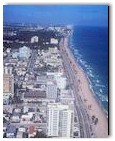 Fort Lauderdale
and all of Broward County, plus southern Palm Beach
County
,
is our specialty. Our site is designed exclusively to help you,
the homebuyer, make an intelligent home buying decision and to help you
learn your legal rights when buying a home in the greater Fort Lauderdale area.
Search everything the web has to offer, right here! As Exclusive
Buyers Agents, we want you to have the most comprehensive and
up-to-date information available.
Fort Lauderdale
and all of Broward County, plus southern Palm Beach
County
,
is our specialty. Our site is designed exclusively to help you,
the homebuyer, make an intelligent home buying decision and to help you
learn your legal rights when buying a home in the greater Fort Lauderdale area.
Search everything the web has to offer, right here! As Exclusive
Buyers Agents, we want you to have the most comprehensive and
up-to-date information available.
Need
local Ft. Lauderdale information?
Weve included everything in our
site we can think of that is important pertaining to the greater Fort Lauderdale
area real estate market.
Need expert advice? This site is filled with useful knowledge, plus
 ways you can contact us for help and advice. Real estate in Fort
Lauderdale, the rest of Broward County, and Southern Palm Beach County,
is our passion and expertise! If there is specific real estate
information you need about the greater Fort Lauderdale area but cannot
find it here,
e-mail us
and we
will gladly answer any questions you may have with NO OBLIGATIONS.
Complete our brief questionnaire
and we will
send you our free relocation package, real estate listings, or any other
real estate information you need about the greater Fort Lauderdale area.
ways you can contact us for help and advice. Real estate in Fort
Lauderdale, the rest of Broward County, and Southern Palm Beach County,
is our passion and expertise! If there is specific real estate
information you need about the greater Fort Lauderdale area but cannot
find it here,
e-mail us
and we
will gladly answer any questions you may have with NO OBLIGATIONS.
Complete our brief questionnaire
and we will
send you our free relocation package, real estate listings, or any other
real estate information you need about the greater Fort Lauderdale area.
Contact us with confidence! We guarantee
your privacy
will be
respected. Wed like to be your
Exclusive Buyers Brokers
. As your
professional real estate partner, we will help you find the best home in
your area within your price range.
|